
Paris-Nice rules (ok?)
The TTT reinvention on its way to the Tour de France

It’s been a busy week or so of rules making headlines. Whatever your opinion on the rights or wrongs of their strict enforcement, Lorena Wiebes, Jan-Willem van Schip and their respective teams will be sick of hearing about rules. However, a change in how races are won and times are recorded, might be a set of rules that we can all get behind in professional cycling.
We generally don’t like change; the Tour Auvergne - Rhône-Alpes, anyone?! With Team Time Trialling, that might be a little different. Rather than being met with the habitual, tired scepticism, an optimistic curiosity seemed to be the general reaction when race organisers ASO decided to shake up how the TTT would be ridden at Paris-Nice a few seasons ago.
The team event against the clock seemed like a tired concept that had gone out of fashion, and from a broadcast point of view, it didn’t seem to land with audiences that weren’t devoted followers. The wrangling over exposure, ownership and - surprise, surprise - money, meant that the discipline was replaced at the world championships with a Mixed Relay. That itself proved to be an entertaining concept, and I’ve found it a welcome addition to the programme. However, for obvious reasons, it’s one that can’t be copied and pasted onto a stage race route.
What are Paris-Nice rules? Deliberately different from a traditional squad race against the clock, a team does not have to bring four riders to the line together in order to record its time. The official stage classification for each team is based on the time of its first rider across the finish line. The fastest first finisher wins the stage for their team. The other key aspect is that each rider’s time across the line is the one that is taken for the General Classification.
So GC jeopardy is slightly changed, so too the possible tactical approach. The aim of the organisers is for it to be more entertaining.
The switch has had a couple of editions of the ‘Race to the Sun’ to bed in. Then, in autumn came the news that ‘Paris-Nice rules’ will govern the first stage of the next Tour de France, which this year starts in Barcelona.
When anything is introduced to the Tour, it’s big news and it generally sets a trend. The dramatic events of the penultimate stage mountain TT on the Planche des Belles Filles in 2020 then saw a similar stage added to the Giro d’Italia route a couple of years later, allowing an opportunity for a typically dramatic Giro script to be written; closing a circle quite beautifully (unless your name is Geraint Thomas), providing Primoz Roglič with a moment of redemption.
The return of the TTT to the Tour de France for the first time in seven years, albeit with new rules, has also helped to bring more traditional TTTs back into fashion. This year, the Challenge Mallorca set of races held a ‘triple T’ for the first time in the island event’s history, and the Dauphiné (yes, Tour Auver…) decided that for just the third time in half a century, such a stage would be an important part of this year’s race.
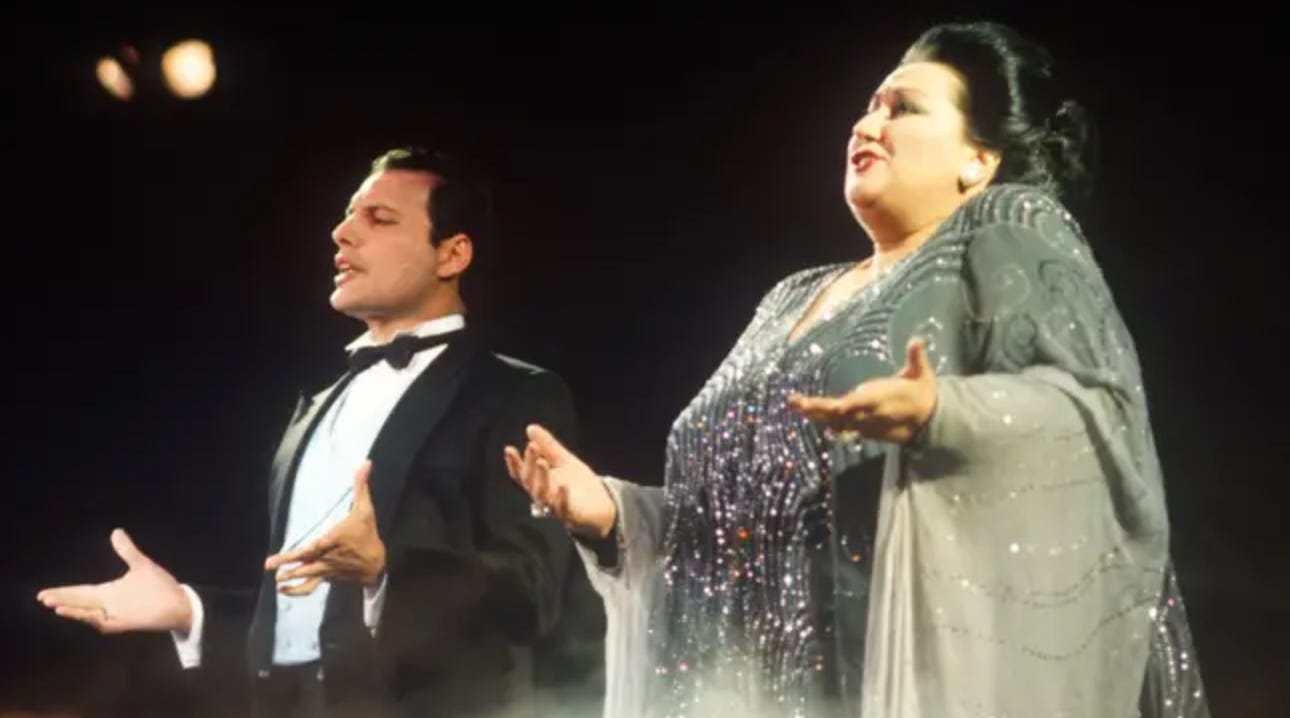
Not since Montserrat Caballé and Freddie Mercury’s performance at the cultural olympiad in the early 90s, has there been a bigger Barcelona dress rehearsal. Alright, I’m obviously exaggerating, especially given that most of the expected leading performers; Pogačar, Vingegaard and Evenepoel, were off preparing elsewhere and in different fashion, but all teams present will have learned, rehearsed and dialled-in, hoping that it will be alright on the night.
So how did it fare as a spectacle? Well, that’s subjective, but I can say from my point of view, that so far, the ‘Paris-Nice rules’ have made much more entertaining broadcasts.
Those in it for the Watts, the numbers, science and aerodynamics might be disappointed, and perhaps prefer the traditional approach. That’s a respectable and understandable viewpoint. The feeling of winning and losing as a team, having to push, look after and coax four riders to the finish together makes the discipline unique.
I’ve spoken to colleagues who would describe themselves as ‘purists’ who prefer both the skill hard work required to pull off a ‘traditional’ Team Time Trial. It will come as no secret to anyone who has heard my commentary that for me, pro cycling has always been more about the journey and the stories that accompany it. Stage 3 of this year’s Dauphiné saw the broadcast drama build, the excitement play out well and, in my opinion, managed to show off the essence of what those purists still want to see.
The familiarity one gets from practicing the discipline with teammates, the allocation and use of resources on and off the bike (think wind tunnels, gear, runways, race tracks and then legs, energy feelings in the saddle), the skill and tactical approach, although that’s obviously now slightly different. Watching on, it felt like the change in rules helped to preserve enough of what makes a TTT unique, while producing a more exciting end.
Squads who have made the event part of their DNA down the years; think Soudal-QuickStep, Jayco-AlUla or EF Education-Easypost, can still challenge for wins as a team, while spectators on the roadside and at home, are treated to an extra element of GC jeopardy.
A couple of examples of that added drama involved reacting to problems on the road; see Visma-Lease A Bike with Wout Van Aert unable to continue for as long as he or his team would’ve wished and Ben Tulett having a puncture, with the team forced to ride on without him, sacrificing his overall place.
Netcompany - INEOS also had shocking luck. Two dropped chains. Sam Watson was left behind, one locomotive less for the fast train that won the Paris-Nice TTT in March, and then Oscar Onley having the same issue. This time, his team did wait, much to the visible frustration of Kevin Vauquelin, one of three potential leaders in the British team’s race lineup.
The re-jigged event is still different enough from the rest of racing for teams to bring in their specialist coaches; the likes of Marco Pinotti and Alex Dowsett are parachuted into races to oversee preparation. Prep that likely began months before. That element remains, but in terms of pure entertainment, I feel that the new rules give us a big win.
That’s a broadcast point of view, but what do you, the fans, think? I’d be genuinely interested in how well (or not) it’s been received? Please drop me a comment below.
As for what might happen in a few weeks, when the new rules hit the big time…? The sample size of yet is still small, but looking ahead to the test on the roads of Catalonia’s capital, Visma - Lease-A-Bike have won two TTT’s with these new rules in the past two seasons. That said, the competition will be more fierce than ever when the teams roll down the ramp on the fourth of July!
Basically any race that you give the commentary on is automatically a more exciting race. Chapeau! More broadcasts with the “Rob Hatch Rule” please.
quite enjoyed it!